
During my years of experience I have found that one of the biggest problems during construction process is the leaks this is usually caused by a bad installation and of course not having a good quality control.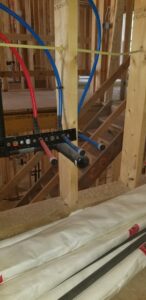
Preventing plumbing leaks during new construction requires careful planning, quality materials, and meticulous installation because of this I start using a very good alternative which reduces a large percentage of the problems I wrote previously this system is called PEX.
PEX (Cross-linked Polyethylene) is commonly used as a plumbing material in construction due to its flexibility, durability, and resistance to corrosion. It has gained popularity as an alternative to traditional materials like copper or PVC (polyvinyl chloride) pipes. When it comes to preventing leaks during construction, PEX can offer several benefits:
- Fewer Joints: PEX pipes are available in long, flexible coils, which means that there are fewer joints required in the plumbing system. Fewer joints mean fewer potential points of failure and reduced risk of leaks.
- Corrosion Resistance: PEX doesn’t corrode like metal pipes, such as copper, which can develop leaks over time due to corrosion. This makes PEX a good choice for preventing leaks caused by corrosion.
- Flexibility: PEX is highly flexible and can be bent around corners and obstacles, reducing the need for additional fittings and joints that could potentially leak.
- Freeze Resistance: PEX pipes have some freeze resistance due to their flexibility. When water freezes inside a PEX pipe, the pipe can expand slightly without bursting as easily as rigid materials like copper.
- Chemical Resistance: PEX is resistant to the effects of common household chemicals, reducing the risk of leaks caused by chemical reactions over time.
- Lower Cost: PEX pipes are often more affordable than traditional metal pipes, which can help reduce costs while still maintaining good quality.
However, while PEX is generally considered a reliable material for preventing leaks, there are some factors to consider:
- Installation Quality: The effectiveness of PEX in preventing leaks heavily depends on proper installation. Poor installation practices, such as using incorrect fittings, inadequate clamping, or improper expansion, can lead to leaks.
- UV Sensitivity: PEX is sensitive to UV light and should not be exposed to direct sunlight for extended periods. If exposed, it can degrade over time, potentially leading to leaks.
- Longevity Concerns: While PEX is known to be durable, some concerns have been raised about its long-term performance compared to traditional materials like copper. Long-term data on PEX’s performance is still evolving.
- Local Regulations: PEX usage may be regulated or restricted in some regions due to concerns about leaching of chemicals into drinking water.
In summary, PEX can be a good material for preventing leaks during construction when properly installed and used according to industry standards and local regulations. It’s important to work with experienced professionals and follow manufacturer guidelines to ensure the best results with PEX plumbing systems.